Best Seasons for Trenching Projects
Trenchings are most effectively performed during specific seasons when soil conditions are optimal for excavation. Typically, dry and moderate weather periods provide the best conditions for trenching projects. Soil moisture levels significantly influence the ease of excavation; overly wet soil can cause delays and safety issues, while overly dry soil may be more challenging to work with. Understanding seasonal variations can help in planning trenching activities to minimize disruptions and maximize efficiency.
Spring and early fall often offer ideal conditions with moderate soil moisture and manageable weather. These periods reduce the risk of delays caused by heavy rain or extreme temperatures.
Heavy rainfall can lead to unstable soil and increased risk of trench collapse. Cold temperatures may cause soil to harden, complicating excavation efforts.
Soil type and moisture content vary seasonally, affecting trench stability and excavation speed. Dry, compact soil is easier to work with and safer.
Scheduling trenching projects during favorable weather windows can improve safety and reduce costs. Monitoring weather forecasts is essential for optimal timing.
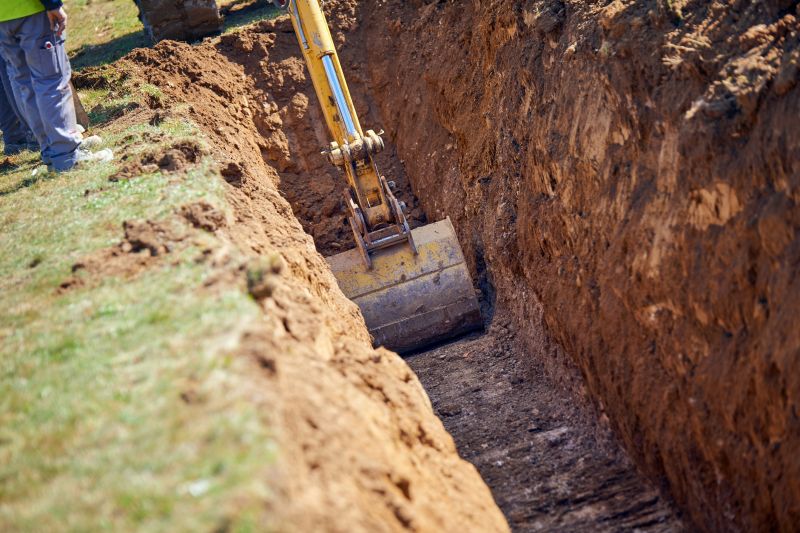
Ways to make Trenchings work in tight or awkward layouts.
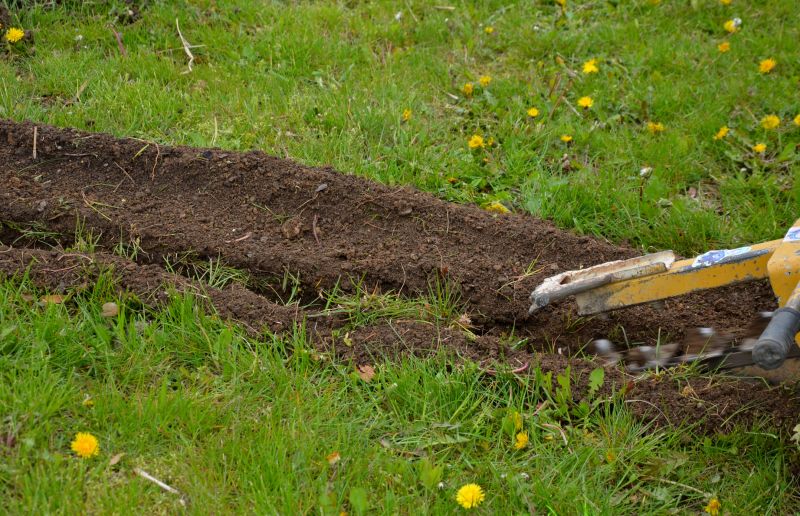
Popular materials for Trenchings and why they hold up over time.
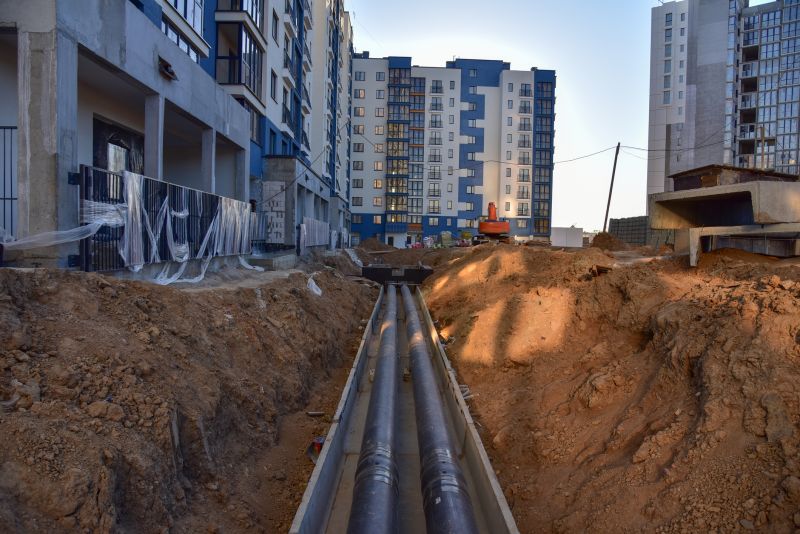
Simple add-ons that improve Trenchings without blowing the budget.
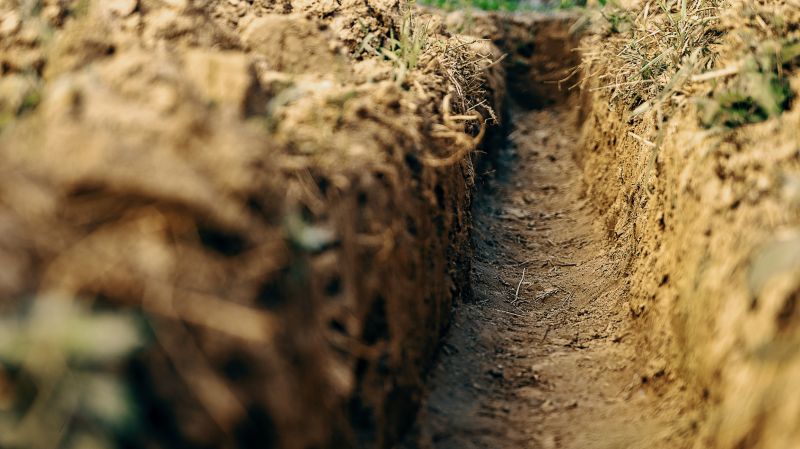
High-end options that actually feel worth it for Trenchings.
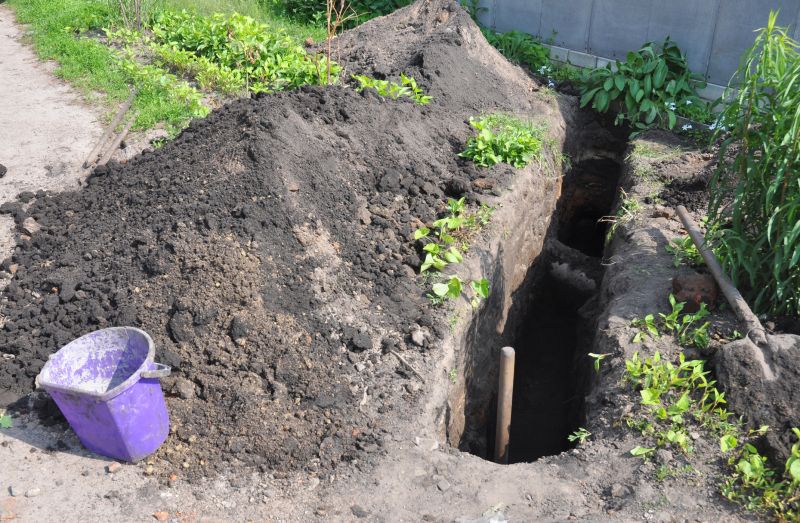
Finishes and colors that play nicely with Trenchings.
| Season | Optimal Conditions |
|---|---|
| Spring | Moderate soil moisture, manageable weather |
| Early Fall | Favorable soil conditions, mild temperatures |
| Summer | Can be challenging due to heat, dry soil |
| Winter | Limited due to frost and frozen soil |
| Rainy Season | Increased risk of delays and soil instability |